
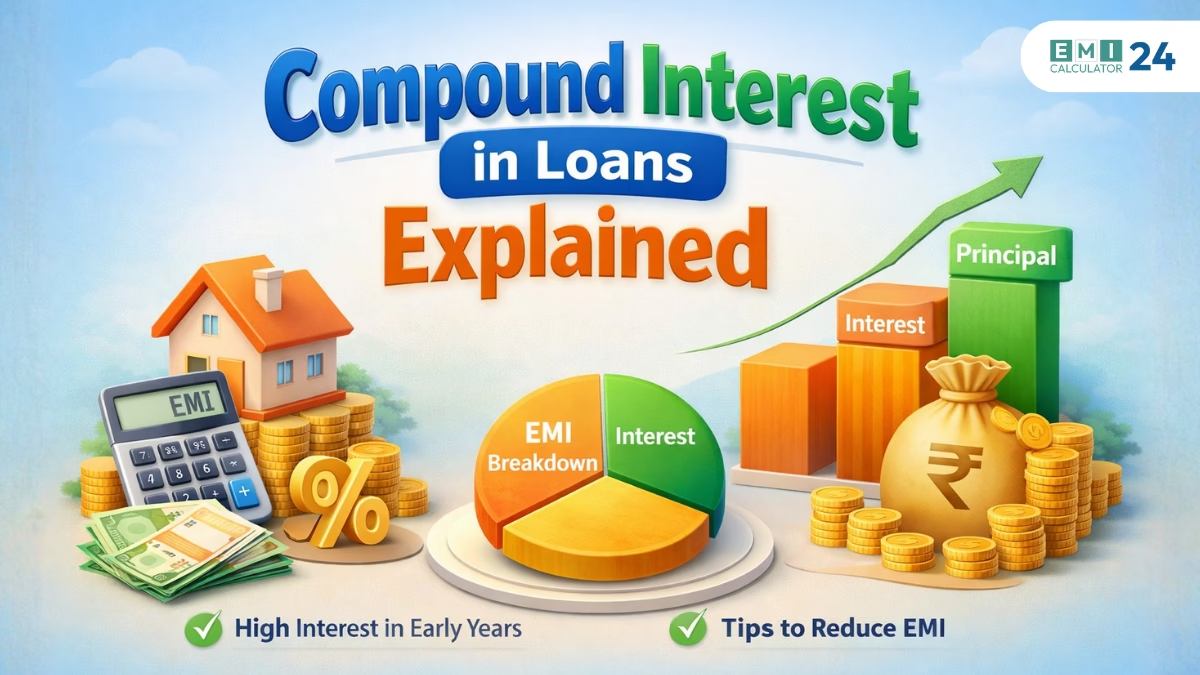
Compound interest in loans means interest is calculated on both the principal and previously added interest. This is why your EMI is higher in the beginning and reduces over time. 💡
If you’ve ever wondered why your loan feels expensive in the early years, the reason lies in how interest compounds every month.
In this guide, you’ll clearly understand how EMI works, why interest feels heavy at the start, and how you can reduce your total loan cost smartly 💰.
📌 What is Compound Interest in Loan EMI?
Compound interest in loans means interest is calculated not only on the loan amount but also on previously added interest.
👉 In simple words:
Interest is charged on interest + principal together.
Difference between simple interest and compound interest
| Type | How It Works |
|---|---|
| Simple Interest | Interest only on principal |
| Compound Interest | Interest on principal + previous interest |
👉 This is why compounding results in higher total repayment compared to simple interest.
📌 Why EMI Uses Compound Interest Instead of Simple Interest
Banking logic explained:
Banks use compound interest in loans because:
-
It ensures consistent returns
-
It reflects real-time loan value
-
It matches long-term lending structure
Monthly compounding concept
In EMI loans:
-
Interest is calculated monthly
-
Every month, interest is added to remaining balance
👉 This is called how compound interest works in EMI.
📌 EMI Formula Explained (With Compound Interest)
👉 Understanding EMI formula:
What each term means
-
P = Loan amount
-
R = Monthly interest rate
-
N = Number of months
👉 This is the base of the EMI interest calculation formula.
Why (1+R)^N is important
-
It represents compounding effect
-
Shows how interest grows over time
👉 This is where compounding effect becomes important
👉 Try our Home Loan EMI Calculator to instantly calculate your monthly EMI and total interest
| Home Loan Calculator |
📌 How Compound Interest Affects Your EMI Payments
Why initial EMIs have higher interest:
In the beginning:
-
Loan amount is high
-
Interest portion is higher
👉 This is part of loan EMI interest breakdown.
Why principal repayment increases over time
As time passes:
-
Outstanding loan decreases
-
Interest reduces
-
Principal repayment increases
📌 Monthly EMI Breakdown (Principal vs Interest)
👉 Year-wise breakdown example:
| Year | Interest Paid | Principal Paid |
|---|---|---|
| 1 | High | Low |
| 5 | Medium | Medium |
| 10 | Low | High |
Interest vs principal chart explanation
👉 This is known as EMI principal vs interest chart 📊
-
Early stage → more interest
-
Later stage → more principal
👉 This pattern exists because of how interest compounds over time
📌 Real-Life Example of Compound Interest in EMI
₹20 lakh loan example:
-
Loan: ₹20,00,000
-
Rate: 9%
-
Tenure: 20 years
👉 EMI ≈ ₹17,995
Total interest paid over time
-
Total payment ≈ ₹43,00,000
-
Interest paid ≈ ₹23,00,000 😲
👉 This clearly shows how compounding increases your total repayment cost
📌 Reducing Balance Method vs Compound Interest in EMI
What is reducing balance method:
-
Interest is calculated on remaining loan balance
-
Not on full amount
How both concepts are connected
👉 Reducing balance method works with compound interest in loans
-
Every month → interest recalculated
-
Based on remaining loan
📌 How to Reduce the Impact of Compound Interest on EMI
Prepayment strategy
-
Pay extra amount regularly
-
Reduces principal faster
Choosing shorter tenure
-
Less time → less interest
-
Saves lakhs over time
Balance transfer option
-
Shift to lower interest bank
👉 Read our step-by-step Home Loan Transfer Guide to reduce your interest rate and EMI
👉 These methods help control compound interest in loans.
📌 Common Myths About EMI and Compound Interest
❌ EMI uses simple interest
👉 Wrong
EMI always uses compound interest in loans
❌ Interest is fixed every month
👉 Wrong
Interest reduces as loan reduces
📌 Tools to Calculate EMI with Compound Interest
How EMI calculators work
-
Use EMI formula
-
Show monthly breakdown
-
Help plan better
When to use EMI calculator
👉 Use our Home Loan EMI Calculator to check:
-
EMI amount
-
Total interest
-
Savings options
| EMI calculator |
👉 These tools work using compounding-based calculations
📌 FAQs
❓ What is compound interest in loan EMI?
It is the method where interest is calculated on both the original loan amount and the accumulated interest. This is why total loan cost increases over time.
❓ Why is EMI interest higher at the start?
Because your outstanding loan amount is highest in the beginning, the interest portion of your EMI is also higher. As the loan reduces, interest decreases over time.
❓ Can I reduce compound interest impact?
Yes, through prepayment and shorter tenure.
❓ Is EMI based on simple interest?
No, it uses compound interest.
📌 Final Thoughts: Understanding EMI Interest Smartly
Understanding compound interest in loans helps you make better financial decisions.
👉 When you know how interest works:
✔ You can reduce EMI burden
✔ You can save money
✔ You can plan loans smartly
👉 Always compare rates, use calculators, and plan early for maximum savings 🚀
📌 Expert Tip 💡
Financial experts suggest that even a 0.5% lower interest rate can save lakhs over a long loan tenure. Always compare lenders before taking a loan.
👉 Use our EMI Calculator now and see how much you can save on your loan today 💰